

The Role of Schools and Universities in Preventing Plagiarism
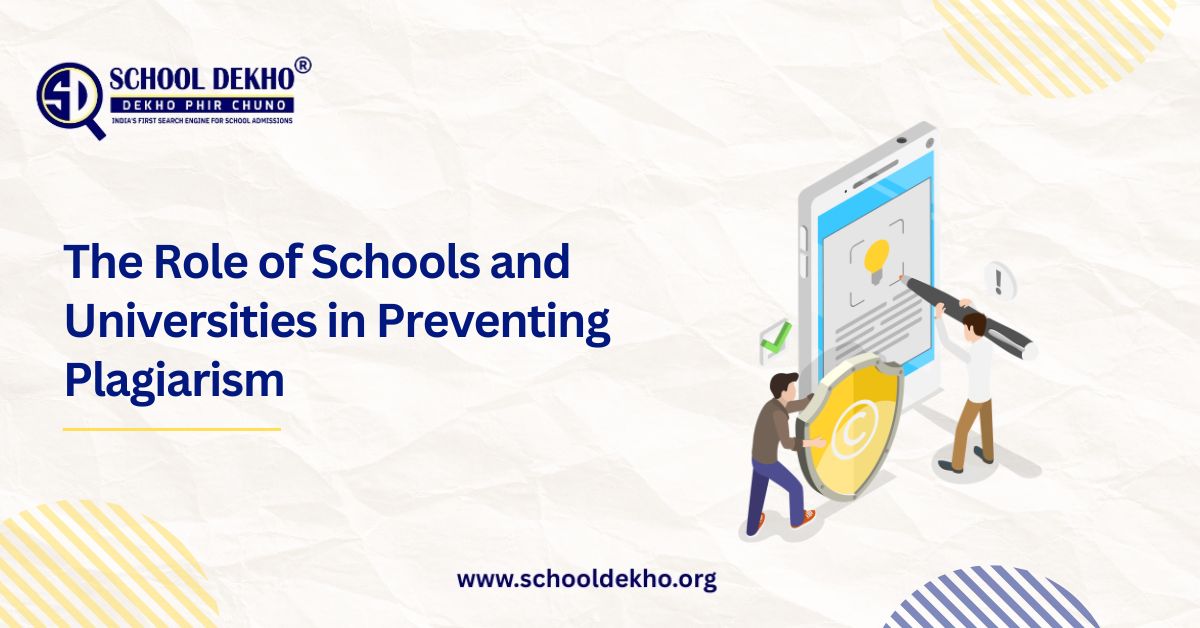
Just like educators or supervisors take necessary measures in their personal capacity to prevent plagiarism, academic institutions also take substantial measures to mitigate this misconduct. Since the reputation of schools and universities is affiliated with the conduct of students, they maintain a strict stance against plagiarism. They also try to prevent it by using a multifaceted approach.
It is a balanced combination of policy enforcement, application of technology, and educational measures. If you are unaware of the steps taken by academic institutions to prevent plagiarism, this article is a perfect resource for you to learn the role of schools and universities in doing so. It walks you through various kinds of practices employed by educational institutions to mitigate plagiarism.
Read on to learn more.
Policy-Based Measures
It should be noted that academic institutions primarily focus on proactive prevention to reduce the likelihood of misconduct. The same statement stands true in the context of plagiarism. You will see academic institutions working on educational and policy-based strategies to prevent intentional and accidental plagiarism.
Here are a few things that fall under this category:
1. Establishment and Enforcement of Clear Policies
Academic institutions pay significant attention to the establishment and enforcement of clear policies against plagiarism, including honor codes. These policies clearly define practices that fall under the category of plagiarism and its consequences, including penalization. They also communicate these policies to teachers and students, such as defining misconduct, outlining penalties for offenses based on their severity, and conveying actions against proven usage of AI for content creation.
2. Promotion of Academic Integrity
Institutions also encourage a culture of integrity that requires students to focus on grasping courses, mastering research, coming up with unique ideas, and conveying their narrative effectively. They also educate students to learn something productive instead of focusing on grades, which leads to discouragement of shortcuts, including plagiarism. They also help students understand what plagiarism is and what types of actions lead to plagiarism, including improper paraphrasing and replication of previously submitted work without proper citation.
3. ducating Students Regarding Good Practices
In addition to enforcing policies and promoting a culture of integrity, institutions also focus on educating students regarding good practices that can help them avoid looking for shortcuts. These practices involve less reliance on fewer sources, starting work earlier, keeping track of submission deadlines, and fair usage of AI. Moreover, schools and universities also train students about the practices they can use to uphold integrity from the very beginning, such as proper paraphrasing, summarization, and citation.
4. roviding Guidance, Training, and Support
Schools and universities also provide necessary guidance, training, and support to students to ensure that they steer clear of malpractices, including plagiarism. They offer substantial counseling to students and conduct workshops to help learning understand the importance of academic integrity and the practices they should follow to uphold it. This is primarily true for academic institutions providing scholarships to foreign students who are usually unfamiliar with established practices.
Technological and Practical Strategies
The role of academic institutions in preventing plagiarism is not limited to policy-based measures only; they also work on technological and practical strategies to discourage plagiarism.
Here is a breakdown:
1. Proper Teaching of Research and Writing Skills
Schools provide students with sufficient resources to make their research and writing process easier. Additionally, teachers and supervisors are available throughout the process so that students can consult them whenever they feel confused. They also help students understand best practices to research systematically, create well-organized notes, and leverage various resources effectively.
2. Self-Evaluation Encouragement
Schools and universities train and instruct supervisors and educators to discourage the act of plagiarism during lectures and promote the culture of self-evaluation. Hence, teachers often guide students about methods or practices they can use to check their work for possible overlaps or missed citations, including comparison with research notes. They also suggest the use of a plagiarism checker that is capable of identifying the slightest instances of duplication by using advanced algorithms and a vast database.
3. Utilization of Plagiarism Detection Framework
Academic institutions also utilize a plagiarism detection framework to filter submissions with content that features overlaps. They integrate advanced detection APIs into their LMSs (learning management systems) to automate the evaluation of submitted work and identify plagiarized content with ease. This framework enables institutions to check for similarities in student work and compel learners to submit original work.
4. Reporting and Analysis
The integration of plagiarism detection software leads to swift, accurate flagging of potential instances of plagiarism with the generation of a quick report and notification to the concerned authority. Additionally, it also leverages the vast database, including the institution’s proprietary repository, to find the original source. This possibility helps the school prevent students from recycling their work for new submissions.
Consequences and Response
Academic institutions also quickly respond to flagged instances and penalize the students who are held liable for plagiarism.
Here is the process:
1. Investigation
Institutions use a proper framework to investigate suspected plagiarism and interview the alleged person. They may also refer the process to a specialized disciplinary panel for further investigation. The allegation, if proved, may lead to academic penalties for the alleged individual and disciplinary action.
2. Penalization
After the investigation, the institutions move towards the enforcement of penalties against plagiarizers as a deterrent. These penalties range from failure to severe consequences like expulsion. The severity of penalties depends on the nature of misconduct and the previous record of the student in question.
In the End
Institutions have a crucial role in preventing plagiarism and mitigating the likelihood of such instances. They use a comprehensive approach that is a blend of proactive prevention and reactive response to effectively maintain academic integrity and uphold a quality reputation. They take the help of policies, technology, and penalization to prevent students from getting engaged in malpractice, such as plagiarism, which undermines the integrity and tarnishes the reputation of the institute. In essence, these measures work together to ensure a culture that discourages plagiarism and promotes originality and academic honesty!
Related Posts
-
The Role of Schools and Universities in Preventing Plagiarism
13 Nov-2026, 06:25 PM -

12 Ways to Increase Admissions in School (A 2027 Guide)
09 Oct-2026, 03:51 PM -

Can You Take Admission in Class 12 in Another School in India?
09 Oct-2026, 03:27 PM -
SC Extends CBSE 3rd Language Exemption to Class 6
28 Sep-2026, 10:57 PM -

Who Can Be a Co-Applicant for an Education Loan in India?
14 Sep-2026, 09:46 PM
Search
Latest Posts
-
The Role of Schools and Universities in Preventing Plagiarism
13 Nov-2026, 06:25 PM -
12 Ways to Increase Admissions in School (A 2027 Guide)
09 Oct-2026, 03:51 PM -
Can You Take Admission in Class 12 in Another School in India?
09 Oct-2026, 03:27 PM -
SC Extends CBSE 3rd Language Exemption to Class 6
28 Sep-2026, 10:57 PM -
Who Can Be a Co-Applicant for an Education Loan in India?
14 Sep-2026, 09:46 PM

.webp)